
Beyond refractive and cataract surgery, Dr Moïse Tourabaly, ophthalmologist (former chef de clinique at the Quinze-Vingts hospital), provides the diagnosis and follow-up of the main eye conditions at his offices in Cachan (94) and Paris 13. This page brings together the most common eye diseases, organised by the affected structure of the eye, to guide you towards the information suited to your situation.
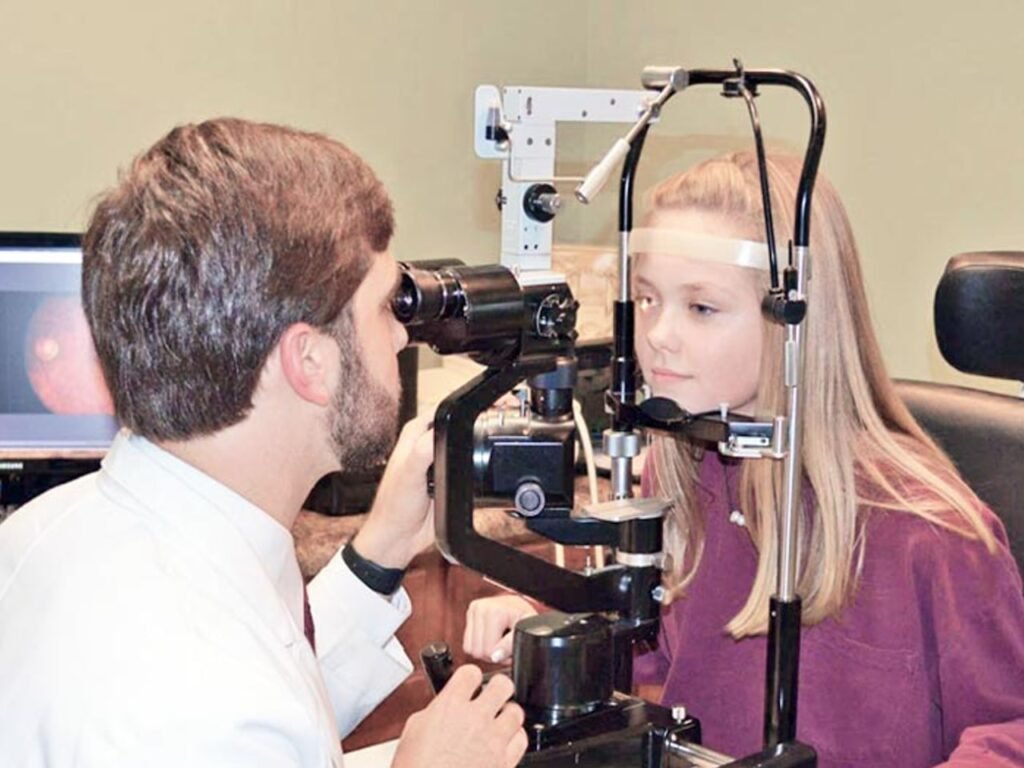
Ocular surface & cornea
The surface of the eye (tear film, conjunctiva, eyelids) and the cornea — the transparent window at the front of the eye — are exposed to the environment and account for a large share of the reasons for consultation: discomfort, redness, decreased vision or distortion of the cornea.
Fundus & retina
The retina and the optic nerve transmit the image to the brain. Disorders affecting them are often silent at first: regular screening makes it possible to detect them before any major impact on vision. Dr Tourabaly carries out the retinal assessment and intravitreal injections at the “Diabet'” office in Paris 13.
Frequently asked questions about eye conditions
When should you see an ophthalmologist urgently?
Certain signs call for prompt advice: sudden loss of vision, a black veil or curtain coming down, flashes of light and a shower of floaters, intense eye pain with a red eye, or sudden double vision. These symptoms may reflect damage to the retina or optic nerve, or raised eye pressure, and warrant a consultation without delay.
Is decreased vision always a sign of a serious disease?
No. Declining vision may simply reflect the progression of myopia, astigmatism or the onset of presbyopia. But it may also reveal a cataract, retinal damage or glaucoma. Only a complete ophthalmic examination can tell these apart, which is why it is worth not overlooking a discomfort that sets in.
How often should you have your eyes checked?
In the absence of symptoms, a check-up every two years is a reasonable benchmark for adults, then more regularly after 50 or in the presence of a risk factor (high myopia, diabetes, family history of glaucoma or AMD). The exact rhythm is set with your ophthalmologist according to your situation.
Can diabetes damage the eyes?
Yes. Poorly controlled diabetes can affect the small blood vessels of the retina: this is diabetic retinopathy, one of the causes of low vision in adults. It progresses for a long time without symptoms, which makes regular fundus screening essential for anyone with diabetes.
Are retinal conditions treated with laser?
Laser is one of the tools used for certain retinal disorders, such as retinal tears or complications of diabetic retinopathy. Other conditions call for intravitreal injections or surgery. The treatment depends on the precise diagnosis made after examination and imaging.
Can eye diseases be prevented?
Not all conditions can be prevented, but the risk can be reduced or their progression limited: controlling diabetes and blood pressure, stopping smoking, sun protection, and above all regular screening. Many eye diseases are treated all the better when they are caught early, before symptoms appear.
Book an appointment
Dr Tourabaly consults in Cachan (94) and Paris 13. Appointments are booked online via Doctolib, or by phone with the relevant office.
Cachan office (94) · “Diabet'” office in Paris 13.
This page is intended for information and education. It does not replace a medical consultation. The diagnosis and treatment of each condition are established on a case-by-case basis by your ophthalmologist.