When can you drive after cataract surgery?
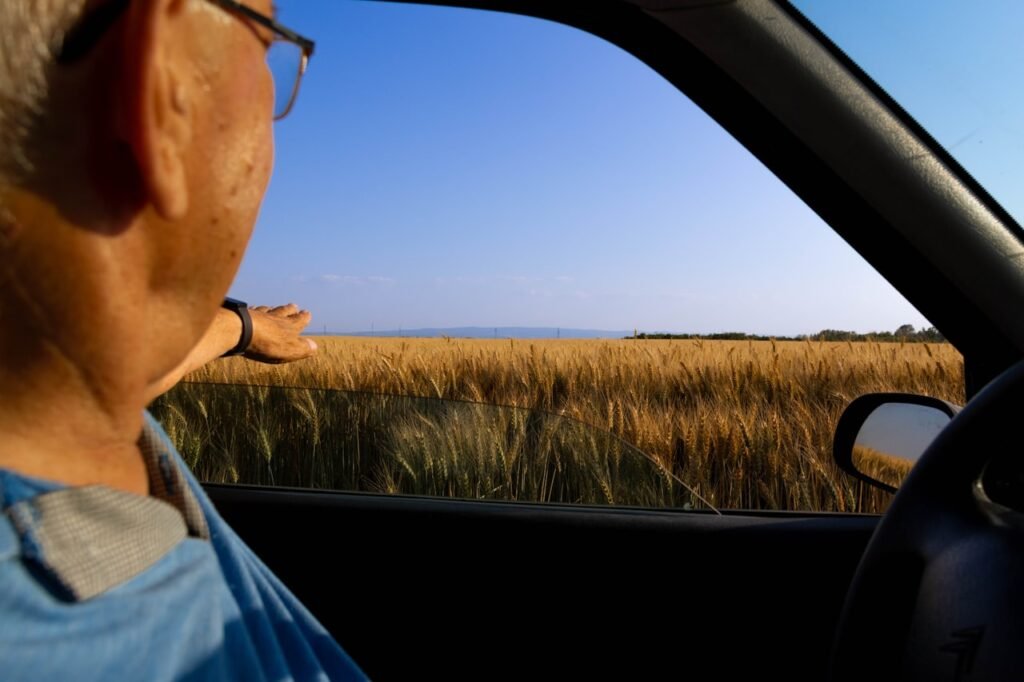
Cataract surgery is one of the most commonly performed procedures in France, and the question of driving comes up at every consultation. The answer is not a fixed delay: it depends on your eye, your healing pace and the moment your vision becomes clear and comfortable again. Let’s look together at the milestones for getting back behind the wheel with peace of mind, without rushing.
Direct answer: no fixed delay, but a medical green light
Key point. You should never drive on the day of your cataract surgery. Getting back behind the wheel then depends on your visual recovery and your ophthalmologist’s opinion, most often a few days after the procedure. There is no universal “Day X”: it is clear vision, the absence of disturbing glare and validation at the post-operative check-up that allow you to drive. Never get back behind the wheel before this medical green light.
To understand the procedure as a whole, see our dedicated page on cataract surgery.
Why you shouldn’t drive right after the surgery
Right after the procedure, your vision is not yet reliable enough for driving. The French Society of Ophthalmology (SFO) points out that visual recovery is gradual in the hours and days that follow. Several factors make driving immediately dangerous, both for you and for other road users.
- A temporary blurred vision, while the eye adapts to the new implant.
- Glare or increased sensitivity to light during the first few days.
- A pupil that may still be dilated by the eye drops used during the procedure.
- The residual effect of the local anaesthesia and the post-operative eye drops.
On the day of the surgery, you must therefore arrange for someone to accompany you or for transport. You will find more details about this phase in our article on the recovery after cataract surgery.
When can you get back behind the wheel?
Driving is approved case by case, often a few days after the surgery. The HAS stresses that the decision rests on functional recovery, not on a strict timetable. Three main criteria guide your ophthalmologist before allowing you to drive again.
- A clear and comfortable vision that lets you read road signs and judge distances.
- The absence of disturbing glare in real driving conditions.
- Validation at the post-operative check-up, where the eye and visual acuity are checked.
One case deserves particular attention: driving when the second eye has not yet been operated on. A significant difference between the two eyes can disrupt depth perception and visual comfort. In this situation, wait for your ophthalmologist’s opinion, who will judge whether your binocular vision remains sufficient to drive safely while awaiting the second procedure.
A practical tip if you wear glasses: once the eye has been operated on, the old correction on that side is no longer suitable and can blur your vision as long as the second eye has not been operated on. Your optician can then fit a plain lens (without correction) on the operated side, until vision stabilises. This simple adjustment restores the balance between the two eyes and improves comfort, particularly when driving.
Night driving and glare
Night driving requires extra caution after cataract surgery. The SFO notes that light phenomena such as halos or photophobia may appear during the adaptation phase. These sensations usually ease over time, but they can interfere with night driving at first.
In practical terms, even if you are driving again during the day, stay cautious at dusk and at night. Vehicle headlights, streetlamps and traffic lights can generate more pronounced halos during the first few weeks. Don’t hesitate to postpone your night-time trips as long as your visual comfort has not fully returned, and report any persistent discomfort at your check-ups.
Vision and driving licence regulations
Driving in France requires meeting a minimum visual acuity, defined by official regulations. The good news: cataract surgery most often improves vision, and therefore the ability to drive. The HAS points out that an untreated cataract can, on the contrary, degrade road safety.
There is a regulatory visual acuity threshold for driving, set by the official texts governing the driving licence. Rather than quoting a figure, we encourage you to refer to the regulations in force and to discuss them with your ophthalmologist, who will measure your vision precisely. In many cases, patients who no longer met the conditions because of the cataract meet them again once operated on. This is one of the concrete benefits of the procedure for quality of life.
FAQ
Frequently asked questions
Can you drive the day after cataract surgery?
Sometimes, but not always. Some patients recover clear vision as early as the next day, others need a few more days. Resuming is only possible after validation by your ophthalmologist, usually at the post-operative check-up. Never get back behind the wheel before this medical green light.
Do you have to wait until both eyes have been operated on?
Not necessarily. Many patients drive again between the two procedures, if the vision of the operated eye and binocular vision remain sufficient. When the gap between the two eyes disrupts perception, your ophthalmologist may advise waiting for the second surgery; a plain lens fitted by the optician on the operated side often improves comfort in the meantime.
Is night driving possible after the surgery?
Yes, but often a little later than daytime driving. Halos or light sensitivity may persist during the adaptation phase. Wait until these phenomena ease and your night-time visual comfort has returned. If in doubt, mention it at your follow-up consultation.
What else should you avoid besides driving after the surgery?
Several precautions go along with the first few days, such as avoiding rubbing the eye or exposing it to water and dust. For a complete list of things not to do, see our dedicated article on what not to do after cataract surgery.
Scientific sources
- Haute Autorité de Santé (HAS). Adult cataract surgery: recommendations and care pathway. has-sante.fr.
- Société Française d’Ophtalmologie (SFO). Reference framework and recommendations on cataract surgery. sfo.asso.fr.
- Sécurité routière / Service-public.fr. Visual fitness and driving licence: regulations in force. service-public.fr.
Further reading
- What not to do after cataract surgery
- Sport, swimming pool and sea after cataract surgery
- Sun and holidays after cataract surgery
- Recovery after cataract surgery
Cataract follow-up at the Cachan (94) office and in Paris 13.
A question about getting back behind the wheel?
Getting back behind the wheel is decided at your own pace, depending on your recovery. If you’re unsure about the right moment, or if the difference in vision between your two eyes bothers you, mention it at your follow-up consultation: your ophthalmologist assesses your vision and guides you. To plan your care, book an appointment with Dr Moïse Tourabaly in Cachan or in Paris 13.
This article is for informational and educational purposes. It does not replace a medical consultation. Driving is approved case by case by your ophthalmologist. Sources: recommendations from the HAS and the French Society of Ophthalmology (SFO).
Written and reviewed by Dr Moïse Tourabaly, ophthalmic refractive surgeon — former chief resident (Quinze-Vingts National Eye Hospital).
Last updated: July 6, 2026