Sport, swimming and the sea after cataract surgery
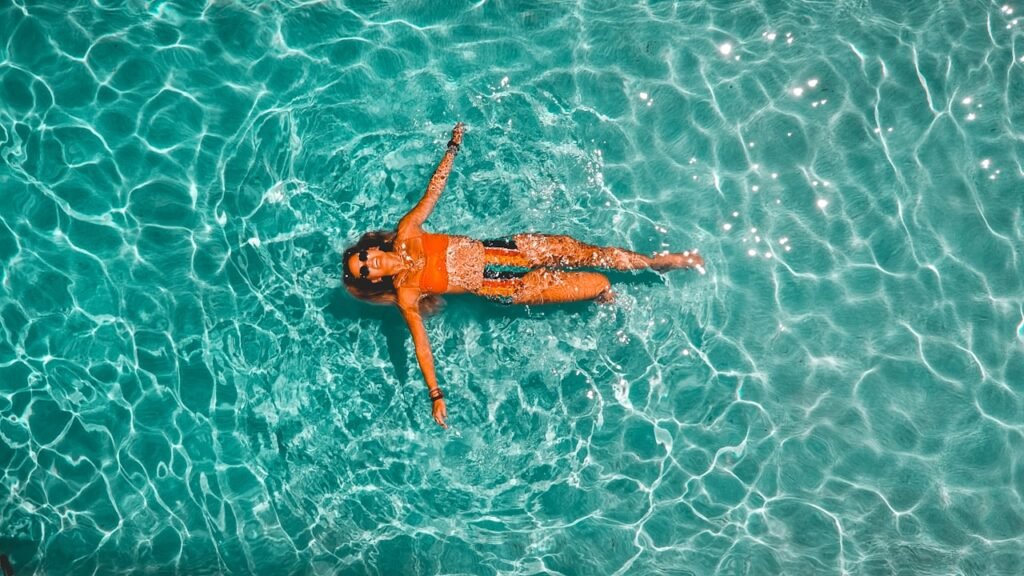
Good news : cataract surgery does not keep you away from sport for long. Walking resumes within the first few days, and most activities come back quickly. Only water, impacts and very intense efforts call for patience, the time needed for the micro-incision to heal. Here, activity by activity, are clear benchmarks for getting back into it with confidence — and why swimming is the exception.
Direct answer: walking right away, water after a month
Key point. After cataract surgery, walking is possible within the first few days, but swimming usually waits about a month, and contact sports or intense efforts call for a delay of several weeks. The operated eye carries a healing micro-incision : it must be protected from water, impacts and strong pressure. For swimming, anti-inflammatory eye drops temporarily lower the eye’s defences ; when you start again, watertight swimming goggles are recommended. Your surgeon remains the sole judge of the right moment.
The French Society of Ophthalmology (SFO) points out that these timelines are adapted case by case. Your cataract surgeon remains the sole judge of the right moment to resume each activity.
Gradually resuming physical activity
Resuming physical activity happens in stages, starting with the gentlest efforts. The SFO recommends a gradual return to movement rather than complete rest, because prolonged immobility brings no benefit to ocular healing. The right reflex : listen to your eye and increase the intensity week by week.
Walking is the earliest activity. You can usually walk gently from the day after surgery, which supports circulation and overall well-being. A stationary bike, without jolts or a bent-over position, is often reintroduced in the first few days, depending on your ophthalmologist’s advice.
Two movements should be avoided at first : bending head-down and lifting heavy loads. These efforts increase the pressure inside the eye and may strain the fresh incision. So put off head-down gardening, moving boxes and heavy lifting. For a day-by-day breakdown, see our advice on the recovery period.

Swimming pool, sea and diving: why to wait
Water is the main reason for caution after cataract surgery. The HAS underlines that any healing ocular incision remains a possible entry point for germs. That is why the delay before swimming is longer than for “dry” sports, generally in the region of a month, depending on your surgeon.
Several factors explain this wait. Pool chlorine irritates the surface of the eye. Seawater, salt and beach sand expose the eye to non-sterile contact. Diving adds pressure variations that are unfavourable for a recently operated eye. Above all, the anti-inflammatory eye drops prescribed after surgery temporarily reduce the eye’s local defences, which increases vulnerability to germs. So it is better to postpone these activities until you get the medical green light, and to wear watertight swimming goggles when you start again.
Why not simply close your eyes underwater ? Because water still seeps in around the eyelids and can reach the incision. If you are leaving on holiday soon, also read our sister article on sun and holidays after cataract surgery, which covers the beach and sun exposure.
Higher-risk sports: contact, racket, weight training
Sports that expose the eye to an impact call for a delayed return. The SFO classes contact sports, racket sports and heavy weight training among the sensitive activities. The main risk is not the effort itself, but the direct blow or the strong abdominal strain that stresses the eye during the healing phase.
Football, rugby, martial arts or boxing carry a risk of accidental impact. Tennis, squash or padel can send a ball towards the face. For these disciplines, you wait for sufficient healing, and wearing suitable eye protection may be advised when you start again.
Weight training deserves a special mention. Lifting heavy while holding your breath increases the internal pressure of the eye. First favour light loads with smooth breathing, then build the intensity back up gradually. Find the full list of movements to avoid in our article what not to do after cataract surgery.
Indicative timelines by activity
These benchmarks remain indicative and qualitative : only your ophthalmologist confirms the actual resumption date based on your healing. The SFO insists on this individualisation, because every eye and every operation evolve differently. Treat the list below as guidance, never as an automatic rule.
- Walking : possible very early, often from the next day.
- Stationary cycling : early resumption, without a bent-over position.
- Running : delayed resumption of a few days to a few weeks depending on medical advice.
- Swimming : wait about a month (infection risk heightened by anti-inflammatory eye drops) ; watertight swimming goggles advised when you start again.
- Contact sports : late resumption, after sufficient healing and the surgeon’s approval.
- Diving : one of the latest resumptions, to be confirmed without fail with the ophthalmologist.
FAQ
Frequently asked questions
When can you swim after cataract surgery ?
Swimming is usually resumed about a month after surgery, once the incision has healed well. During this period, anti-inflammatory eye drops lower the eye’s defences, which heightens the infection risk on contact with non-sterile water. When you start again, watertight swimming goggles are advised. The exact delay is confirmed by your ophthalmologist at follow-up.
Can you do weight training after cataract surgery ?
Heavy weight training is not advised at first, because lifting while holding your breath increases ocular pressure. The SFO advises starting again with light loads and smooth breathing. You then increase the intensity gradually. Your surgeon specifies the right moment to return to your usual loads.
Is yoga with head-down postures not advised ?
Yes, head-down postures should be avoided in the early stages. They increase the pressure inside the eye and strain the healing incision. You first resume gentle, standing postures, then inversions later, after approval from the ophthalmologist. Caution takes priority over performance.
Should you wear protective glasses for sport ?
For sports with a risk of impact, eye protection may be recommended when you start again. The SFO values this simple precaution for contact or racket disciplines. Ask your ophthalmologist which equipment suits your activity and when you can resume with peace of mind.
Scientific sources
- Haute Autorité de Santé (HAS). Adult cataract surgery : recommendations and care pathway. has-sante.fr.
- Société Française d’Ophtalmologie (SFO). Reference framework and recommendations on cataract surgery. sfo.asso.fr.
- American Academy of Ophthalmology (AAO). Cataract in the Adult Eye — Preferred Practice Pattern. aao.org.
Further reading
- Sun and holidays after cataract surgery
- What not to do after cataract surgery
- When can you drive after cataract surgery ?
- The recovery period after cataract surgery
Cataract follow-up at the Cachan office (94) and in Paris 13.
Want to get back to sport safely?
Each discipline has its own pace of resumption, and your healing is unique. If you practise a specific sport or are preparing a return, discuss it during your follow-up consultation : your ophthalmologist adapts the timelines to your situation. To plan your care, make an appointment with Dr Moïse Tourabaly in Cachan or in Paris 13.
This article is for informational and educational purposes. It does not replace a medical consultation. Sport resumption timelines are adapted case by case by your ophthalmologist. Sources : recommendations from the HAS and the French Society of Ophthalmology (SFO).
Written and reviewed by Dr Moïse Tourabaly, ophthalmic refractive surgeon — former chief resident (Quinze-Vingts National Eye Hospital).
Last updated: July 6, 2026