Glaucoma and diabetes: an association worth screening for
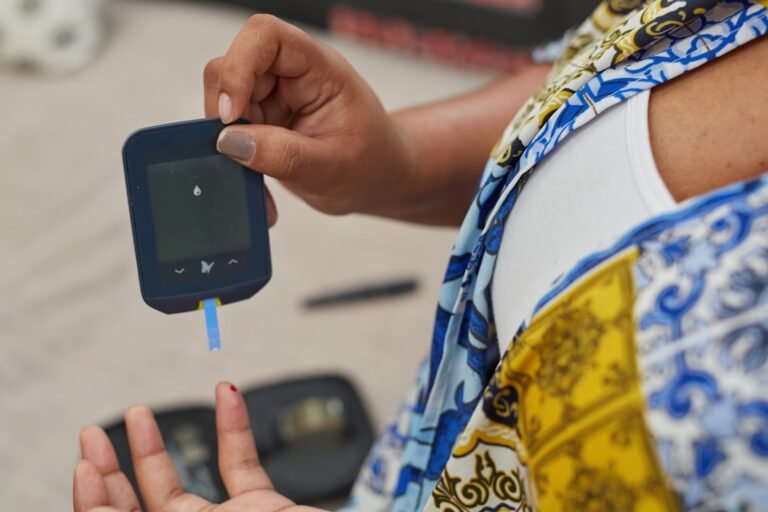
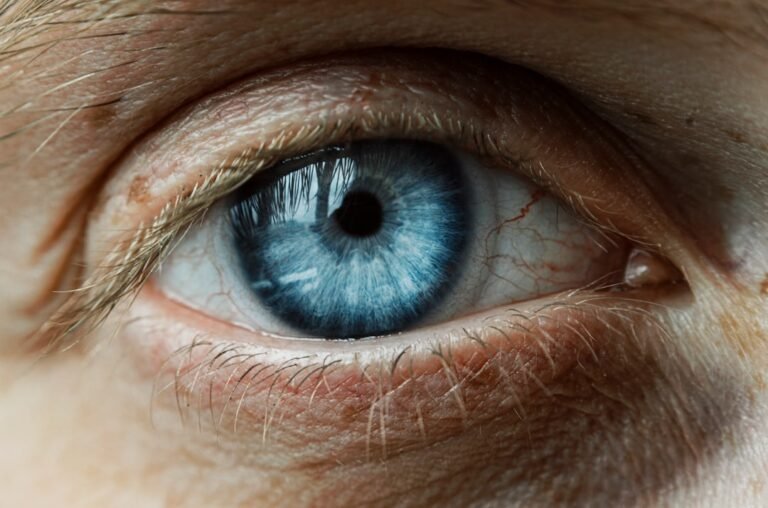
Patients with diabetes have an increased risk of glaucoma, an association that remains too little known and that justifies systematic screening. Glaucoma progresses silently for a long time, without pain or loss of vision, until an advanced stage. In people with diabetes, monitoring eye pressure and examining the optic nerve are therefore an integral part of ophthalmological follow-up. Here is why this link exists and how to monitor it.
Direct answer: a real risk, simple screening
Key points. Diabetes increases the risk of primary open-angle glaucoma by about one third compared with people who do not have diabetes. It also carries the risk of a serious and urgent form, neovascular glaucoma, a complication of advanced diabetic retinopathy. Screening is simple: measuring eye pressure, examining the optic nerve at the fundus and with OCT, and a visual field test if needed. When caught in time, glaucoma is treated effectively with eye drops or laser. That is the whole point of regular monitoring built into diabetes follow-up.
Why does diabetes increase the risk of glaucoma?
Several studies confirm this link. A meta-analysis showed that diabetes is associated with an increased risk of about 35% for primary open-angle glaucoma compared with people who do not have diabetes. Several mechanisms are involved:
- Chronic high blood sugar impairs the microcirculation of the optic nerve, making it more vulnerable to high eye pressure.
- Proliferative diabetic retinopathy can lead to new vessel growth in the iridocorneal angle, causing neovascular glaucoma, a severe form secondary to diabetes.
- Certain treatments (corticosteroids prescribed for inflammatory complications) can raise eye pressure.
Neovascular glaucoma: an emergency
Neovascular glaucoma is a feared complication of untreated proliferative diabetic retinopathy. The retina, deprived of oxygen, releases growth factors that trigger the formation of new vessels in the iridocorneal angle, where the aqueous humor drains.
This drainage becomes blocked, eye pressure rises sharply, and the situation quickly becomes disabling. Management combines retinal laser photocoagulation to treat the ischemia, anti-VEGF injections to make the new vessels regress, and pressure-lowering treatment. Recent work highlights the importance of early, combined intervention to preserve vision.
Screening and follow-up
The ophthalmological work-up of a patient with diabetes systematically includes several simple, painless examinations:
- Measurement of eye pressure (air-puff or contact tonometer).
- Examination of the optic disc at the fundus and with OCT, to detect any damage to the optic nerve.
- Visual field testing if glaucoma is suspected.
- Gonioscopy if angle closure is suspected.
These examinations are carried out at the Diabet’ centre practice (Paris 13) during ocular diabetes follow-up consultations, which makes it possible to screen for glaucoma at the same time as retinopathy.
Treatment of glaucoma associated with diabetes
When glaucoma is diagnosed in a patient with diabetes, treatment follows the same principles as in someone without diabetes. As a first-line option, pressure-lowering eye drops (prostaglandins, beta-blockers, carbonic anhydrase inhibitors) reduce eye pressure. SLT laser (selective laser trabeculoplasty) may be offered in addition to or instead of eye drops: the LiGHT study demonstrated good pressure control for several years after treatment, with the advantage of freeing patients from the constraints of daily drops. SLT laser is available at the Cachan practice.
FAQ
Frequently asked questions
Does diabetes always cause glaucoma?
No. Diabetes increases the risk of glaucoma by about one third, but most people with diabetes will not develop glaucoma. That is precisely why regular screening is useful: it helps identify those affected and treat them early.
Does glaucoma cause symptoms?
Chronic open-angle glaucoma progresses without pain or loss of vision for a long time. It is a silent disease, which is why screening is so important. Neovascular glaucoma, on the other hand, can cause pain and redness of the eye: in that case it is an emergency.
How is glaucoma screened for in a patient with diabetes?
Through simple, painless examinations carried out during the consultation: measuring eye pressure, examining the optic nerve at the fundus and with OCT, and a visual field test if necessary. They are done at the same time as monitoring the retina.
What is neovascular glaucoma?
It is a severe and urgent form, secondary to advanced diabetic retinopathy. New vessels block the eye’s drainage and cause the pressure to rise sharply. Treatment combines retinal laser, anti-VEGF injections and pressure-lowering treatment, and must be prompt.
Does SLT laser replace eye drops?
SLT laser can be offered as a first-line option or in addition to eye drops. The LiGHT study showed good long-term pressure control, which allows many patients to reduce or avoid daily drops. The choice is discussed on a case-by-case basis.
Does good diabetes control protect against glaucoma?
Well-controlled diabetes limits ocular complications, in particular the retinopathy that can lead to neovascular glaucoma. This does not remove the need to screen for chronic glaucoma, which remains recommended as part of ophthalmological follow-up.
Scientific sources
- Zhou M, Wang W, Huang W, Zhang X. Diabetes mellitus as a risk factor for open-angle glaucoma: a systematic review and meta-analysis. PLoS One. 2014;9(8):e102972. PMID 25137059.
- Gazzard G, Konstantakopoulou E, Garway-Heath D, et al. Selective laser trabeculoplasty versus eye drops for first-line treatment of ocular hypertension and glaucoma (LiGHT): a multicentre randomised controlled trial. Lancet. 2019;393(10180):1505-1516. PMID 30862377.
- Updates in the treatment of neovascular glaucoma: from conventional approaches to novel therapies. Indian J Ophthalmol. 2025. PMID 40995895.
Further reading
- Glaucoma: understanding and treating it
- Cataract and diabetes: operating at the right time
- Anti-VEGF intravitreal injections
Glaucoma screening at the Diabet’ centre (Paris 13) · SLT laser in Cachan · Tel. 01 45 47 08 11
Screen for glaucoma as part of your diabetes follow-up
Glaucoma screening fits naturally into the ophthalmological follow-up of diabetes. To assess the pressure in your eyes and the condition of your optic nerve, book an appointment with Dr Moïse Tourabaly, who consults at the Diabet’ centre in Paris 13 and at the Cachan practice, where SLT laser is also available.
This article is intended for informational and educational purposes. It does not replace a medical consultation. The screening and treatment of glaucoma must be carried out by your ophthalmologist. Sources: articles indexed on PubMed.
Written and reviewed by Dr Moïse Tourabaly, ophthalmic refractive surgeon — former chief resident (Quinze-Vingts National Eye Hospital).
Last updated: July 6, 2026